
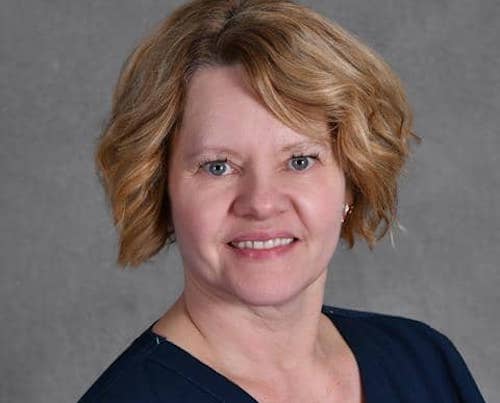
1. Please share your most interesting case with a patient
“Emergency medicine is full of the most interesting cases! I had a case during the beginning of our first wave of COVID-19. A young teenager had collapsed at home. The mother had heard a bang come from the top floor and rushed up there to find her child unconscious with no pulse on the floor. Luckily, she had the presence of mind to start CPR right away. He was then rushed to the hospital and we were able to resuscitate him fully and transfer him to Children’s Hospital where he made a full recovery. It was scary for us: one, because he was so young and two, it was during the beginning of the pandemic and we were not sure if at the time his collapse had been related to COVID-19. It was the first time many of us had to put on the full PPE, and prepare for an intubation since the pandemic began. It was a scary case but also very gratifying that his mother’s heroic measures saved her child’s life and that we were able to help him to full recovery.”
2. What is the best advice you were given during your time in medical school that has had a lasting impact on your practice?
“When I was a medical student, I did an elective in the States in an exceptionally large trauma center. On one of my last days with this service we had a terrible case. It was winter and a car had left the highway on ice, the driver, who was a young woman, had been killed and the passenger which was her boyfriend was very badly brain injured. I understand that I sort of looked like the girl, and as we were managing the man, he kept calling me by her name. It was very upsetting, and I was very early in my training. After we resuscitated him and I came out of the room, I burst into tears and asked my Trauma Surgeon mentor ‘how do you do this?’. he replied with ‘You know, if it ever stops affecting you, you need to get out of medicine’.”
3. What are you doing currently/working on/interested in that is helping to impact our local medical community and/or local patients?
“One of the things I am most proud of is our Physician Wellness Initiative. I started this project with Dr. Burns around 16 years ago when we felt we needed to shine a spotlight on Physician wellness. Not just for Physician disability or illness but actually being well, being connected, and educating people on how to manage stress, mental health, burnout and fatigue. These are a lot of things that Doctors are advising their patients but not great at managing within themselves. This program has now evolved into part of the culture of our community of Medical Practitioners in Maple Ridge and Pitt Meadows. I think one of the biggest impacts for me, is people who work in our medical community now know that they can come to me and make me aware of a colleague who might need more support at that time, or ask themselves, for help and resources. I was even invited to present our “community based wellness program” at the International conference on Physician Health in England in 2014. Now I am working with another Physician from White Rock, on a Fraser Health-wide Regional Initiative to try and make Physician Wellness an integral part of the culture, valuing and caring for all of our medical staff, and empowering our physician leaders to be excellent and compassionate supports for their teams.”
4. What is some advice or wisdom you would like to share with your medical staff peers, or any new physicians joining our community?
“Generally, most Physicians are naturally very conscientious people. Maybe that’s why some people go into medicine. One thing that I have always tried to live by, is that I do not like to send a patient away from our encounter without trying my best to ensure that they will be okay. I do not want them to go home and have me worrying about them thinking I should have done more. Especially with our students or newer grads in the emergency department, some advice I often give is that if you are worried about the patient, just order the extra test you think they might need or keep them a little longer or ask for advice from another physician. You should satisfy yourself that you can sleep at night, knowing you did your best for each of your patients that day. Otherwise, this job will weigh you down.
I’d also like to say that this community of physicians has something very special. We have fostered and nurtured here such a collegial group of people! This isn’t by accident, but because we have continued to work on it, despite changes in funding, staffing, governments and health authority leadership. We need to recognize and have gratitude for our colleagues. Their support and friendship and connectedness helps protects us from all the pressures of the job.”